
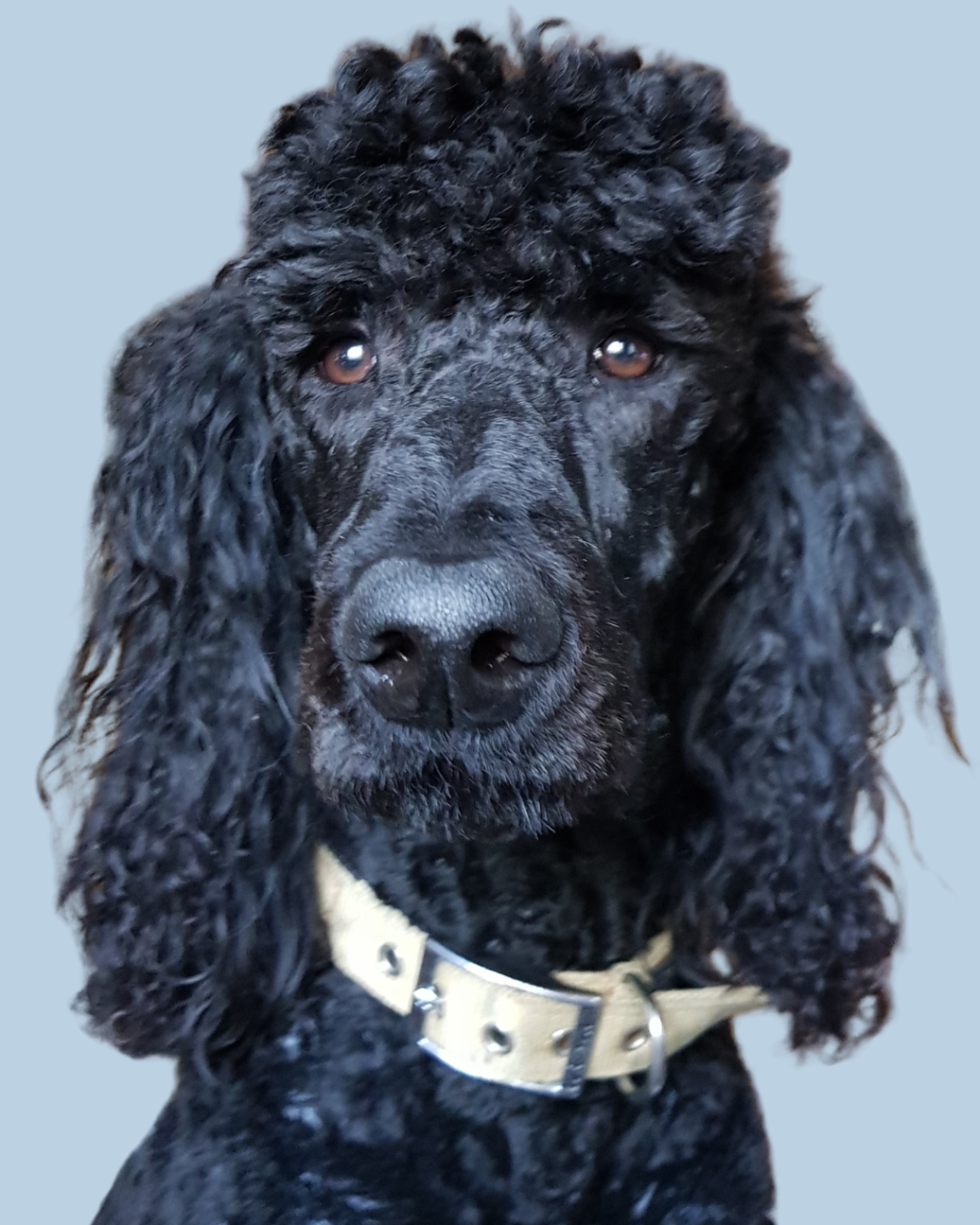
I have long suspected that a smile aimed at me is not mere pleasantry, but a transaction, and I am always the beneficiary. Now the University of Vienna has confirmed it with an actual brain scanner, which I appreciate, since I have never cared much for taking things on faith.
Fourteen dogs, all considerably better behaved than most humans, sat still inside an MRI machine while researchers showed them photographs of faces. Photographs of happy, smiling human faces made an area of the brain associated with reward light up with activity, the very same circuitry that stirs at the anticipation of a good meal or the scent of someone we adore. This is, in effect, the “hit” a person gets from winning a game, or from a flattering comment online, though I confess I find the comparison to social media a touch beneath me.
The researchers then tried the experiment with anger, fear and sadness thrown in, and here is the part I find worth mentioning. My reward circuitry, it seems, has little interest in a scowl or a sorry face. But that is precisely when I choose to stay closest. A dog does not require a reward to sit beside someone who is having a difficult day; we simply do it, quietly, because it is the correct thing to do. Science may not have found the mechanism for that particular impulse yet. I am not surprised. Some things about a dog’s character were never meant to show up on a scan.
The lead researcher summed the rest up rather well: you can reward a dog with a treat, but you can just as well reward it with happiness, and she goes so far as to recommend the practice be extended to dogs in the street entirely unrelated to oneself, which I appreciate.
So, the science confirms what I already carried myself as though I knew. A smile is not nothing. It is a small, deliberate kindness, and I receive it the way I receive most things: graciously, and as my due. But a person who cannot manage a smile today need not worry. I will still be here. That part was never conditional.
Smile at a dog today. Any dog. It needn’t even be me, though I’d understand if it were.
— Louis